
Roofing Tips3 min read
5 Signs of Hail Damage Dunlap IA Homeowners Miss
Learn the hidden signs of hail damage on your Dunlap roof that most homeowners overlook. Know what to look for after an Iowa storm.
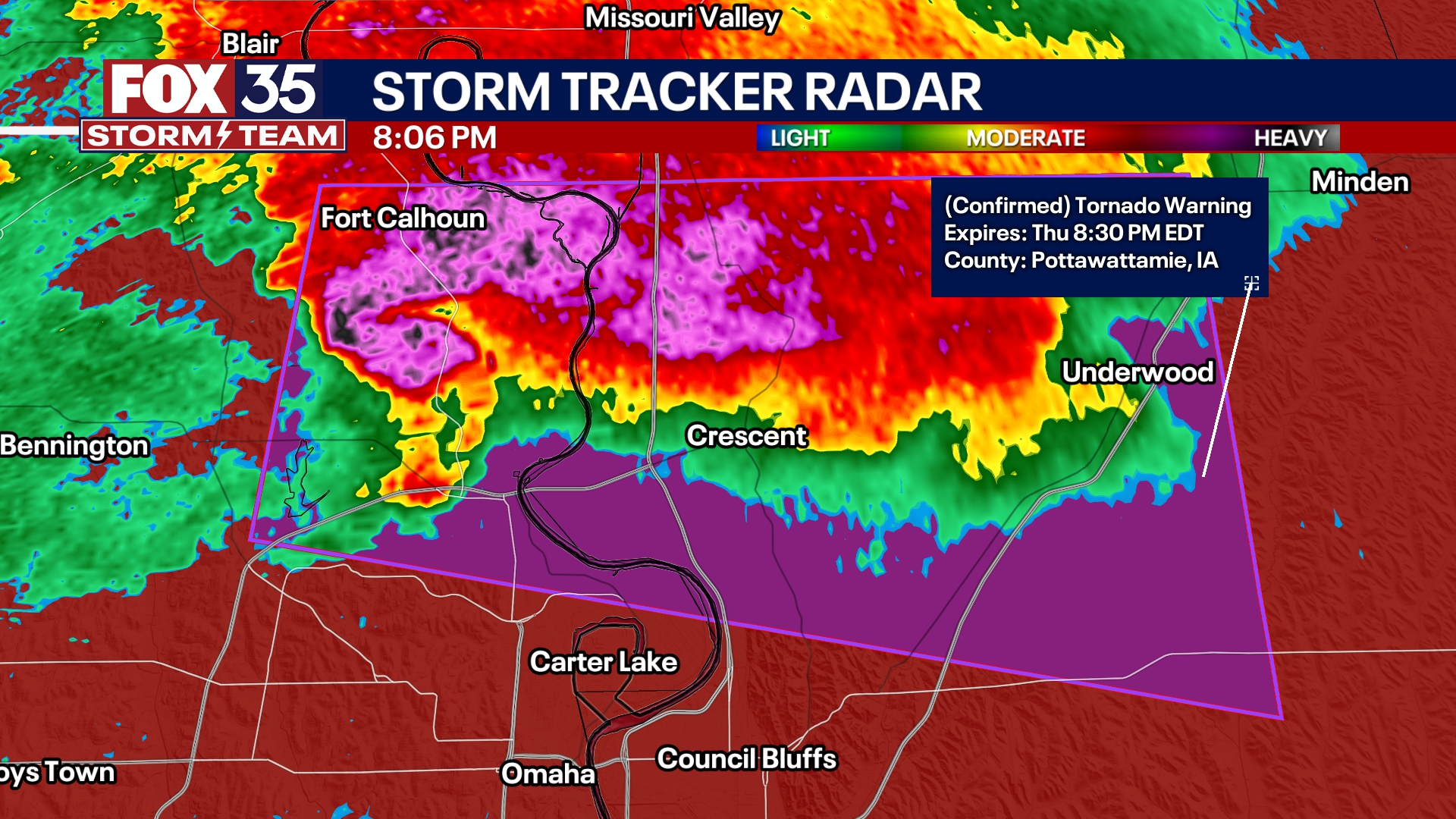
After a hailstorm rolls through Missouri Valley, most homeowners walk outside, glance up at their roof, and think everything looks fine. But hail damage isn't always obvious from ground level — and missing it can cost you thousands in repairs down the road.
Missouri Valley and surrounding Pottawattamie County areas along the Missouri River often face powerful Midwest thunderstorms capable of dropping hail from dime-sized up to golf ball or larger.
Here are five signs of hail damage that Missouri Valley homeowners commonly overlook.
Hail impacts leave soft spots or bruises on asphalt shingles. These aren't always visible — you often need to feel the shingle surface to detect them. The granules may still be in place, but the fiberglass mat underneath is compromised.
Why it matters: Bruised shingles lose their waterproofing ability over time, leading to slow leaks that cause interior damage months after the storm. Iowa’s variable weather with strong winds and temperature swings can make hidden damage progress faster.
Check your gutters and downspout splash pads after a storm. If you see a significant buildup of dark, sand-like granules, your shingles are shedding their protective coating. Some granule loss is normal with aging, but a sudden spike after a storm is a red flag.
This is one of the easiest signs to check without climbing on your roof.
Look at your roof's metal elements — vents, flashing, gutters, and downspouts. Metal dents much more visibly than shingles. If your gutters or vents show pockmarks, there's a strong chance your shingles took hits too.
Hail doesn't just hit your roof. Check vinyl or wood siding on the side of your home facing the storm direction. Cracked siding is often accompanied by roof damage from the same storm event — and it strengthens your insurance claim.
Air conditioning units, mailboxes, and car hoods are excellent hail indicators. If these show dents, your roof almost certainly does too. Insurance adjusters actually look at these items when evaluating claims.
Don't wait. Iowa insurance policies typically require claims within one year of the storm date. Here's what we recommend:
Missouri Valley's peak hail season runs from April through August, with the most severe storms typically hitting in May and June. After any significant storm, it's worth having your roof checked — even if you don't see obvious damage.
Max Roofing offers free, no-obligation storm damage inspections for homeowners in Missouri Valley, Council Bluffs, and across the surrounding Iowa areas near the Missouri River. We'll document any damage, provide a detailed report, and help you navigate the insurance process if a claim is warranted.
Call us at (402) 800-7469 or contact us online to schedule your free inspection.
Learn the hidden signs of hail damage on your Dunlap roof that most homeowners overlook. Know what to look for after an Iowa storm.
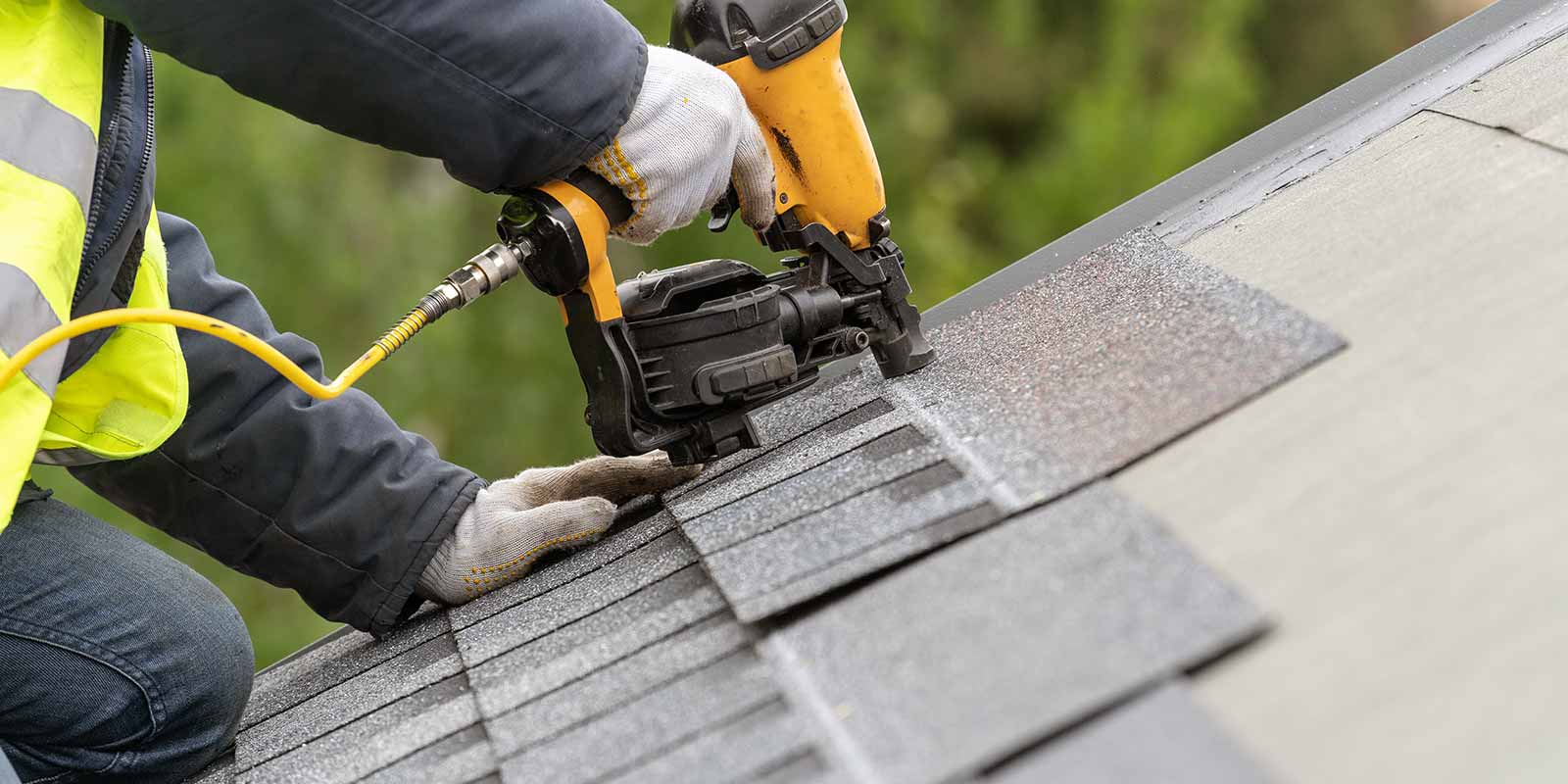
This 2026 guide details roof repair costs in Omaha and Western Iowa, covering factors influencing prices, repair vs. replacement decisions, insurance benefits, common issues, and tips for choosing reliable local contractors.
Learn the hidden signs of hail damage on your Carroll roof that most homeowners overlook. Know what to look for after an Iowa storm.
Free inspection, no obligation. Call (402) 800-7469 or fill out the form below.